
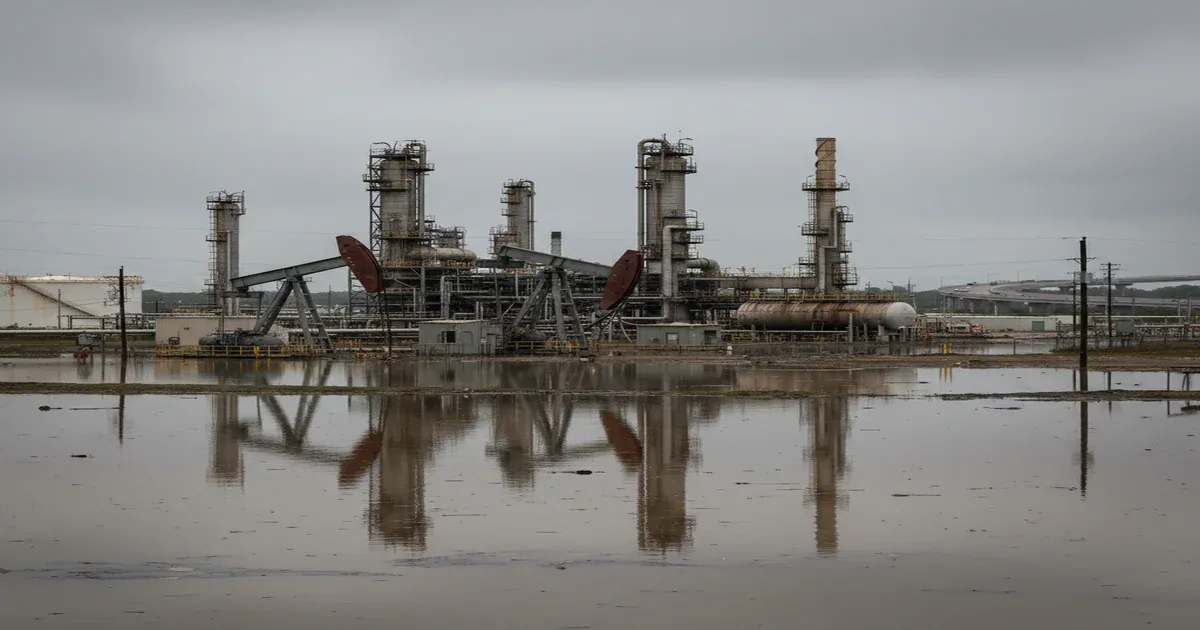
Beaumont, Texas sits in the heart of the Golden Triangle — the refinery-dense industrial corridor along the upper Gulf Coast that also includes Port Arthur and Orange. With roughly 115,000 residents, the city draws its drinking water from the Neches River, a source that flows through one of the most chemically intensive regions in the country before reaching the treatment plant intake.
That geography creates a water quality situation worth understanding.
Where Does Beaumont Get Its Drinking Water?
The Neches River originates in East Texas and flows roughly 400 miles south to Sabine Lake. Along the way, it passes through pine forests, agricultural land, and — critically — the industrial corridor that defines Southeast Texas.
Beaumont’s water treatment plant draws from the lower Neches, downstream of multiple permitted discharge points. The Texas Commission on Environmental Quality (TCEQ) regulates these discharges, but the cumulative effect of industrial activity on source water quality is a legitimate concern.
The river also carries sediment, organic matter, and agricultural runoff that affect treatment processes. During heavy rains — a regular feature of Gulf Coast weather — turbidity spikes can challenge the treatment plant’s capacity.
Refinery Country: Industrial Contamination Risks
The Beaumont-Port Arthur-Orange metropolitan area hosts some of the largest refineries and petrochemical facilities in the United States. ExxonMobil, Motiva, Valero, TotalEnergies, and others operate massive facilities within miles of the city.
These operations are regulated, but industrial accidents happen. Flaring events, chemical releases, and spills have been documented throughout the region’s history. When those events affect waterways, they can impact source water quality for downstream communities.
PFAS in Beaumont’s Water
PFAS contamination has emerged as a concern in the Golden Triangle region. Firefighting foam (AFFF) containing PFAS has been used extensively at refineries, chemical plants, and military installations for decades.
The former Defense Logistics Agency facility in Beaumont and nearby military sites have documented PFAS in groundwater. With the EPA’s new PFAS maximum contaminant levels taking effect in 2024, Beaumont residents should look for PFAS testing results in the city’s annual Consumer Confidence Report.
Private well owners in Jefferson County — particularly those near industrial sites or military installations — should test specifically for PFAS compounds. Reverse osmosis and activated carbon filtration (particularly granular activated carbon at high contact time) are the most effective treatment approaches for PFAS.
Hurricane Harvey: When Beaumont Lost Its Water Supply
Hurricane Harvey in August 2017 dropped more than 60 inches of rain on parts of Southeast Texas over five days. Beaumont’s water system didn’t just struggle — it failed entirely.
The Neches River flooded to record levels, overwhelming the city’s main pump station. Beaumont lost its ability to treat and distribute water to 120,000 residents. The city issued a complete loss-of-water-pressure event — taps went dry.
The crisis lasted days. Residents had no tap water for drinking, flushing toilets, or fighting fires. Emergency water deliveries struggled to reach the isolated city as surrounding highways flooded.
When service was restored, boil-water notices remained in effect as the system flushed contamination from low-pressure events. The potential for sewage infiltration through compromised lines meant treated water needed additional precautions.
Harvey wasn’t an anomaly — it was a preview. Climate projections for the Gulf Coast indicate more intense storms and greater rainfall extremes. For Beaumont’s water system, the Harvey scenario could repeat.
Is Beaumont TX Tap Water Safe to Drink?
According to TCEQ compliance data and EPA ECHO records, the Beaumont water system has generally maintained compliance with federal and state drinking water standards during normal operations. Key monitoring areas:
- Disinfection byproducts (DBPs) — THMs and HAAs form when chlorine reacts with organic matter in Neches River water. Levels fluctuate seasonally, with higher readings during warm months
- Lead and copper — System compliance maintained, though individual homes with older plumbing may see elevated lead levels at the tap
- Turbidity — Managed through treatment processes, though heavy rain events challenge the system
- PFAS — New EPA MCLs require expanded testing; look for results in the city’s most recent CCR
During normal operations, Beaumont’s treated water is safe per regulatory standards. The vulnerability is during extreme weather events, when the treatment and distribution system can fail.
Aging Infrastructure in a Harsh Climate
Beaumont’s water distribution system includes pipes that have been in service for decades. The Gulf Coast climate — hot, humid, with corrosive soils — accelerates infrastructure deterioration.
Water main breaks are a recurring issue. The city has invested in system upgrades, but the scope of needed improvements outpaces available funding. Federal infrastructure dollars through the Infrastructure Investment and Jobs Act have helped, but Southeast Texas competes with communities across the state for limited resources.
Private Wells in Jefferson County
Residents outside the city system who rely on private wells face different concerns. Shallow groundwater in Jefferson County can be affected by:
- Saltwater intrusion — Proximity to the Gulf and Sabine Lake means coastal aquifers face salinity issues
- Industrial contamination — Legacy contamination from decades of petrochemical activity has reached shallow groundwater in some areas
- PFAS — Groundwater near military and industrial sites may contain PFAS compounds
- Iron and manganese — Naturally occurring metals that cause taste, odor, and staining issues are common in East Texas groundwater
Private well owners should test annually for bacteria, nitrates, and any contaminants specific to their location.
What Beaumont Residents Should Do
- Read the annual water quality report. The City of Beaumont publishes Consumer Confidence Reports detailing all test results and any violations.
- Have a hurricane water plan. Harvey proved the water system can fail during major storms. Keep at least three days of stored water on hand during hurricane season (June–November). A seven-day supply is better.
- Test your water. If you want independent verification of contaminant levels — or are concerned about lead from older plumbing — certified lab testing is available through TCEQ-accredited laboratories.
- Check for PFAS data. With new EPA MCLs in effect, Beaumont’s 2024 and 2025 CCRs should include PFAS test results.
- Monitor air and water quality alerts. Industrial events in the Golden Triangle can affect both air and water. The TCEQ and local emergency management issue alerts when incidents occur.
If you’re concerned about your water quality, a certified water treatment professional can test your water and recommend treatment systems appropriate for your specific situation.
Home Water Treatment Options for Beaumont
Given the source water challenges and industrial context, many Beaumont residents invest in supplemental treatment:
- Reverse osmosis — Comprehensive removal of dissolved contaminants including DBPs, heavy metals, and PFAS
- Activated carbon filtration — Effective for chlorine, taste, odor, and organic chemical reduction
- Whole-house sediment filters — Address particulate and turbidity issues, especially after main breaks or storms
- UV disinfection — Additional pathogen protection, particularly after flood events or system pressure loss
Frequently Asked Questions: Beaumont TX Water Quality
Is Beaumont TX tap water safe to drink? Under normal operating conditions, yes — Beaumont’s water meets federal and state standards. The risk is during major storm events, when the treatment system can fail as it did during Hurricane Harvey in 2017.
What are the main water quality concerns in Beaumont? Key concerns include: industrial contamination from the refinery corridor upstream of the Neches intake, PFAS from firefighting foam at industrial and military sites, aging distribution infrastructure, and vulnerability to failure during major hurricane events.
Does Beaumont have PFAS in its water? PFAS has been documented in groundwater near industrial and military sites in Jefferson County. Residents should check the city’s most recent Consumer Confidence Report for PFAS test results under the new EPA MCLs.
What happened to Beaumont water during Hurricane Harvey? The city completely lost water service in August 2017 when record flooding overwhelmed the main pump station on the Neches River. Approximately 120,000 residents had no tap water for multiple days. Boil-water notices remained in effect after service was restored.
What water filter is best for Beaumont homes? Reverse osmosis is the most comprehensive option, removing disinfection byproducts, PFAS, lead, and dissolved contaminants. For whole-house treatment, activated carbon reduces chlorine and organic compounds. Consider adding a UV stage if you have a private well.