What Happened
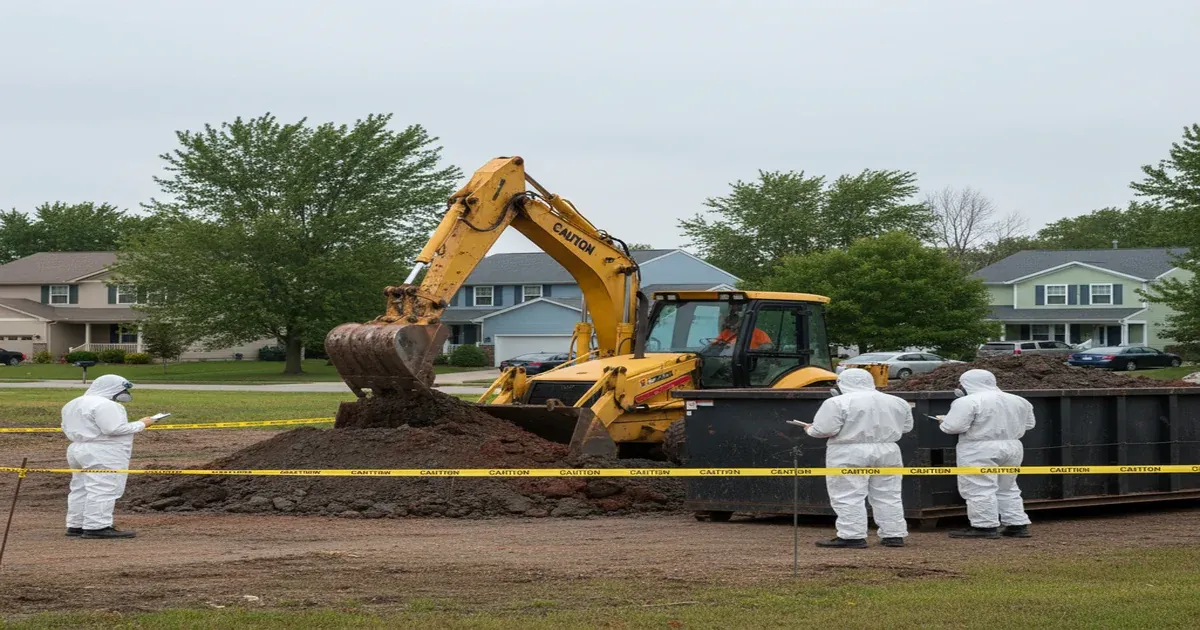
In March 2026, the EPA added a new contaminated site to the Superfund National Priorities List (NPL) — the federal government’s official registry of the nation’s most seriously contaminated hazardous waste sites. The site involves groundwater contamination, adding to the roughly 1,340 active Superfund sites across the country.
Superfund designation means the EPA has determined the contamination is serious enough to warrant long-term federal cleanup action — and that the responsible parties (if they can be identified and are financially viable) will be held accountable for cleanup costs.
What Superfund Designation Actually Means
The Superfund program, established by the Comprehensive Environmental Response, Compensation, and Liability Act (CERCLA) in 1980, gives the EPA authority and funding to clean up uncontrolled hazardous waste sites. When a site is added to the NPL, several things happen:
Federal cleanup authority: The EPA can investigate the full extent of contamination, determine what cleanup is needed, and either compel responsible parties to do the work or do it with federal funds and pursue cost recovery later.
Structured cleanup process: NPL sites go through a defined sequence — Remedial Investigation (characterize contamination), Feasibility Study (evaluate cleanup options), Record of Decision (select the remedy), Remedial Design/Remedial Action (design and implement the cleanup), and long-term monitoring.
Community involvement: The EPA must establish a community involvement plan, hold public meetings, provide a public comment period on proposed cleanup plans, and maintain an information repository accessible to residents.
Funding access: Sites on the NPL are eligible for Superfund trust fund money if responsible parties can’t or won’t pay. The program also provides technical assistance grants to community groups.
Groundwater Contamination: The Slow-Moving Problem
Groundwater contamination is the defining challenge at most Superfund sites. Of the 1,340+ active NPL sites, the majority involve some form of groundwater contamination — from industrial solvents, petroleum products, heavy metals, pesticides, or other hazardous substances.
What makes groundwater contamination so difficult is its persistence. Unlike surface spills that can be contained and cleaned relatively quickly, contaminants in groundwater move slowly through underground aquifers — sometimes just a few feet per year — and can persist for decades or centuries without active remediation.
For real-world examples, see our coverage of Ann Arbor’s dioxane plume and Albuquerque’s Kirtland AFB contamination. Common groundwater contaminants at Superfund sites include:
- Trichloroethylene (TCE) and perchloroethylene (PCE) — industrial degreasers widely used from the 1950s through 1980s. Dense non-aqueous phase liquids (DNAPLs) that sink through aquifers and are extremely difficult to remediate.
- Benzene, toluene, ethylbenzene, xylenes (BTEX) — petroleum compounds from fuel storage, refineries, and chemical manufacturing.
- Heavy metals — lead, chromium, arsenic, cadmium from mining, smelting, manufacturing, and military operations.
- PFAS — per- and polyfluoroalkyl substances from military bases, airports, industrial facilities, and landfills. Increasingly recognized as a major groundwater contaminant class.
What This Means for Residents Near Superfund Sites
If you live near a Superfund site — whether the newly listed one or any of the 1,300+ existing NPL sites — here’s what you should understand:
Your Drinking Water
The most immediate concern is whether contaminated groundwater has reached drinking water wells. The EPA typically provides alternative water supplies (bottled water, new well connections, treatment systems) to residents whose wells are affected. Municipal water systems near Superfund sites are required to monitor for site-related contaminants.
If you’re on a private well near a known or suspected contamination source, don’t wait for the EPA. Get your water tested independently. State health departments and EPA regional offices can often help identify which contaminants to test for based on the site’s history.
Property Values
Superfund designation can affect property values — studies have shown a temporary decrease when sites are first listed, followed by recovery as cleanup progresses. The stigma can be worse than the actual risk in some cases, while in others the contamination poses genuine health hazards that justify concern.
Health Monitoring
For some Superfund sites, the Agency for Toxic Substances and Disease Registry (ATSDR) conducts health assessments and may establish exposure registries for affected populations. If you believe you’ve been exposed to contamination from a Superfund site, contact your state health department or ATSDR.
Timeline Expectations
Superfund cleanups are measured in decades, not months. The average NPL site takes 10-15 years from listing to cleanup completion, and many complex groundwater sites take 30+ years. The EPA’s “construction complete” milestone — meaning the physical cleanup infrastructure is in place — has been reached at about 70% of NPL sites, but long-term groundwater monitoring and treatment continues at many of them.
The Bigger Picture: America’s Groundwater Legacy
The addition of new Superfund sites in 2026 is a reminder that industrial contamination of groundwater continues to be discovered. Despite progress — the EPA has completed cleanup at hundreds of NPL sites — the backlog of known contamination is enormous, and new contamination sources (particularly PFAS) are being identified regularly.
According to the EPA’s data:
- 40+ million Americans live within three miles of a Superfund site
- Groundwater contamination is present at roughly 80% of all NPL sites
- Cleanup costs average $25-50 million per site, with complex sites running into hundreds of millions
For communities that depend on groundwater for drinking water, the lesson is clear: proactive monitoring, source water protection, and early intervention are far less expensive than Superfund-scale remediation after contamination has spread.
What You Can Do
- Check the EPA’s Superfund site search at epa.gov/superfund to see if any NPL sites are near your home
- If you’re on a private well, test your water annually for common contaminants — and add site-specific contaminants if you’re near a known contamination source
- Attend public meetings when the EPA announces community involvement activities for nearby sites
- Request information from your EPA regional office about the status of any Superfund investigation or cleanup near you
- Support local source water protection efforts — preventing contamination is always preferable to cleaning it up
If you’re concerned about your water quality, a certified water treatment professional can test your water and advise on treatment solutions appropriate for the specific contaminants in your area.
Sources
- EPA, Superfund National Priorities List and Site Information
- EPA, Superfund Cleanup Progress Reports
- Agency for Toxic Substances and Disease Registry (ATSDR), Health Assessments
- Government Accountability Office, Superfund Program Reports
- National Research Council, Alternatives for Managing the Nation’s Complex Contaminated Groundwater Sites