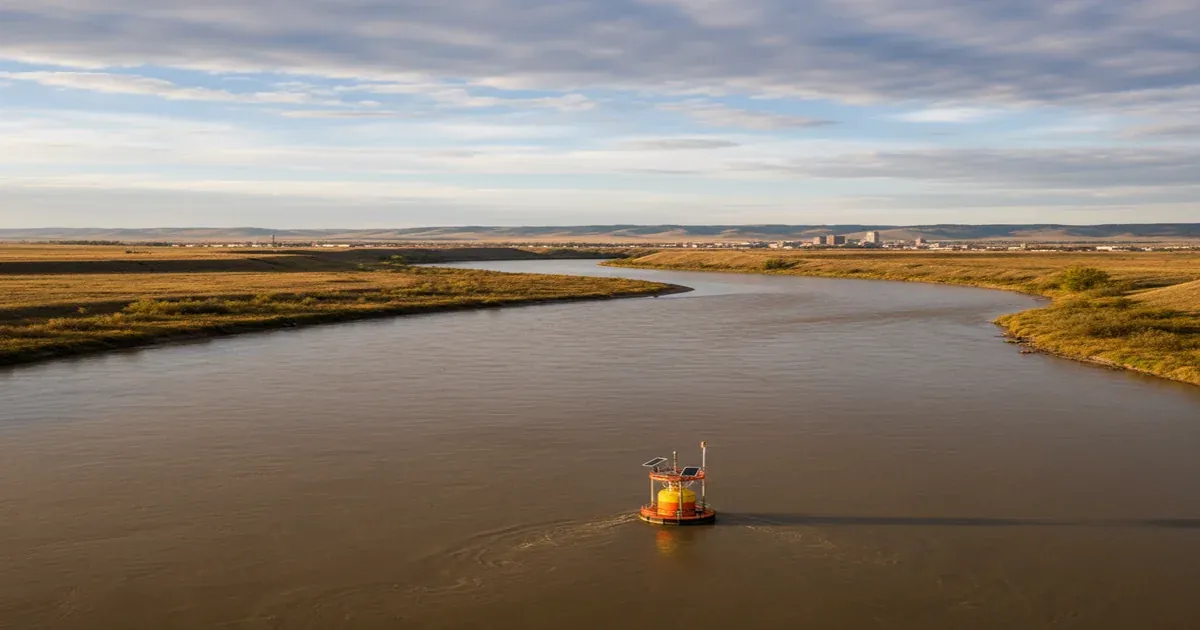
Great Falls, Montana — population about 58,000 — sits at the foot of the Rocky Mountain Front where the Missouri River drops in a series of dramatic falls. The city was built around hydroelectric power and copper smelting. Today, the industrial past is largely history, but newer contamination from Malmstrom Air Force Base has put Great Falls on the PFAS map.
Malmstrom Air Force Base: PFAS in the Heartland
Malmstrom AFB, home to the 341st Missile Wing, is one of the three Air Force bases that manage America’s intercontinental ballistic missile fleet. The base sits just east of Great Falls, and like virtually every Air Force installation in the country, it has a PFAS contamination problem.
The Department of Defense’s own environmental investigations have documented:
- PFAS contamination in groundwater on and around Malmstrom from AFFF used in fire training operations
- Off-base migration — The groundwater flow from the base toward the Missouri River and surrounding communities
- Multiple PFAS compounds — Not just PFOS and PFOA, but a suite of PFAS compounds from different firefighting foam formulations used over the decades
Montana hasn’t yet adopted formal PFAS MCLs for drinking water, but the EPA’s new federal standards will require Malmstrom and surrounding communities to address contamination. The Air Force has begun groundwater investigations and is evaluating remediation options.
Great Falls City Water is a surface water utility drawing directly from the Missouri River — not from the contaminated groundwater aquifer. However, some private wells in the vicinity of Malmstrom may be affected.
The Missouri River: Great Falls’ Water Source
Great Falls draws all of its drinking water from the Missouri River, treating it at a conventional water treatment plant that includes:
- Coagulation, flocculation, and sedimentation
- Granular filtration
- Chlorine disinfection
- Fluoride addition
The upper Missouri River, upstream of Great Falls, is generally one of the cleaner sections of the river — before it enters the heavily agricultural and industrial regions downstream. But threats exist:
- Wildfire — Montana’s increasing wildfire frequency creates post-fire watershed events that spike turbidity, ash, and chemical loads in the river
- Agricultural runoff — Irrigation return flows from central Montana farming add nitrate, selenium, and agricultural chemicals
- Mining legacy — The upper Missouri watershed includes former silver, gold, and copper mining areas. Acid mine drainage from abandoned mines affects some Missouri tributaries.
- Upstream oil and gas — While less intense than eastern Montana’s Bakken activity, the upper Missouri watershed includes some energy development
The Anaconda Copper Legacy
Great Falls was home to the Anaconda Copper Smelter — one of the largest copper smelters in North America — that operated from 1908 to 1980. At its peak, the smelter stack was visible for miles and the facility processed copper ore from mines across Montana.
The legacy contamination includes:
- Arsenic and lead in soils around the former smelter site
- Heavy metal contamination in some areas of the city, particularly near the former industrial corridor
- The Anaconda-area sites (not in Great Falls itself but relevant to the regional picture) are some of the largest Superfund sites in the country
The Great Falls smelter site has gone through remediation, but residual contamination in soils remains a concern for properties near the former industrial area.
What the Data Shows
From Great Falls City Water’s most recent Consumer Confidence Report:
- All regulated contaminants within EPA limits
- PFAS testing conducted — results show detections but below current federal limits
- Lead at 90th percentile below EPA action level
- Nitrate within limits
- Turbidity managed through treatment
What Great Falls Residents Should Do
- Municipal water is treated — The Missouri River source is processed through a conventional treatment plant. Review the CCR annually for any changes.
- PFAS monitoring — Ask the city for the most current PFAS test results, particularly as new federal MCLs take effect. If you live near Malmstrom, private well testing for PFAS is advisable.
- Near the former smelter area — Property owners near the old industrial corridor should be aware of potential soil contamination (arsenic, lead) that can affect private well water.
- Wildfire awareness — Montana’s wildfire seasons have been severe. After major fires in the watershed, expect temporary turbidity increases in treated water and potential short-term treatment adjustments.
- Private well owners — Test annually for bacteria, nitrate, arsenic, and lead at minimum. If you’re near Malmstrom, add PFAS to the testing panel.
Great Falls has weathered a century of industrial activity and is now grappling with military contamination. The city’s direct Missouri River supply provides a level of separation from groundwater PFAS issues — but that buffer isn’t unlimited, and staying informed matters.
Water quality challenges like these aren’t unique to this area. Residents in Helena, Montana Water Quality and Billings MT Water Quality face similar contamination concerns, while Missoula MT Water Quality deals with its own set of water infrastructure and quality issues.
If you’re concerned about your water quality, a certified water treatment professional can test your water and recommend appropriate solutions for your situation.