
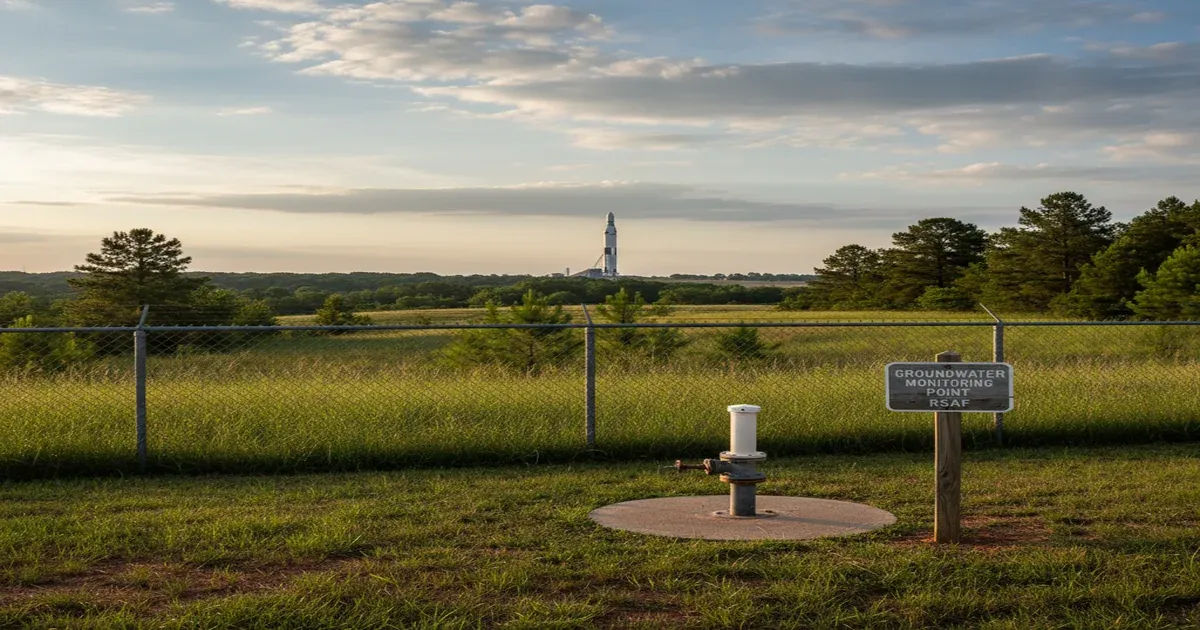
Huntsville has transformed from a small cotton-trading town into one of the fastest-growing cities in the South, driven by NASA’s Marshall Space Flight Center and the sprawling Redstone Arsenal military complex. That growth has come with water quality complications that the city is still working to address.
Wheeler Lake: Huntsville’s Tennessee River Source
The Huntsville Utilities water system draws from Wheeler Lake — a TVA reservoir on the Tennessee River about 15 miles west of the city. The Tennessee River here is well downstream of Knoxville’s industrial corridor, but it carries the accumulated agricultural and municipal runoff of the upper Tennessee watershed.
Wheeler Lake water undergoes conventional treatment: coagulation, sedimentation, filtration, and chlorination. The Huntsville Utilities Water Treatment Plant has capacity for 72 million gallons per day, serving approximately 200,000 customers in the Huntsville metro. The utility’s water quality reports consistently show compliance with federal drinking water standards, and the Tennessee River source water is generally considered of good quality by surface water standards.
The more pressing concern isn’t what’s in the river — it’s what’s migrating through the groundwater beneath the city.
Redstone Arsenal: A PFAS Source Next Door
Redstone Arsenal is one of the most significant military installations in the country — home to the Army Aviation and Missile Command, the Missile Defense Agency, and dozens of defense contractors. The base covers over 38,000 acres on the southwestern edge of Huntsville.
Decades of firefighting training and emergency response at Redstone’s airfields involved the use of aqueous film-forming foam (AFFF) — the same PFAS-laden firefighting compound that has contaminated groundwater at military installations across the country. The Department of Defense has confirmed PFAS contamination in groundwater monitoring wells at Redstone Arsenal.
The contamination plume dynamics are under investigation, but the concern is migration beyond the base perimeter into the residential and commercial areas that surround Redstone. Limestone karst geology underlies portions of north Alabama, meaning contaminants can move quickly and unpredictably through the subsurface rather than being slowed by conventional soil filtration.
Huntsville Utilities samples its source water and finished water for PFAS. The levels detected in treated drinking water have generally been below the EPA’s 2024 MCLs, but the agency is monitoring closely as the investigation into Redstone’s PFAS plume continues.
Rapid Growth and Water Infrastructure Pressure
Huntsville has added over 60,000 residents in the past decade, and the surrounding suburbs in Madison County have grown even faster. Every new subdivision, data center, and industrial campus adds impervious surface that shunts stormwater — and the pollutants it picks up — into tributaries of the Tennessee River.
The city has been investing in water and sewer infrastructure to keep pace with growth, but the sheer speed of development creates challenges. New wells drilled in areas of karst terrain may encounter contamination from nearby sources. Stormwater management systems designed for earlier development densities are now undersized.
Sewer overflows — sanitary sewer overflows from capacity-limited collection systems — have been documented in Huntsville and Madison County, releasing untreated sewage into creeks that feed Wheeler Lake. The Alabama Department of Environmental Management has been pushing utilities to reduce SSO frequency, and consent orders have driven infrastructure investment, but rainfall-related overflows remain a fact of life in rapidly growing systems.
Legacy Contamination at Redstone
Beyond PFAS, Redstone Arsenal has a longer contamination history. The site has been used for munitions development, testing, and storage since World War II. Unexploded ordnance, industrial solvents, and metals from decades of manufacturing have affected soil and groundwater at various locations within the base.
EPA has designated portions of the arsenal as Superfund sites or RCRA facilities under corrective action. The ongoing remediation involves pump-and-treat systems, engineered caps, and institutional controls. The Army’s cleanup program at Redstone is active and coordinated with EPA and ADEM, but the complexity of the contamination means monitoring and treatment will continue for decades.
What Huntsville Residents Can Do
Huntsville’s municipal water is treated and meets federal standards. The PFAS situation at Redstone warrants watchfulness but hasn’t created a drinking water emergency for municipal customers:
- Monitor PFAS updates — follow Huntsville Utilities’ PFAS sampling results as they’re published, particularly as the Redstone plume investigation develops.
- Private well owners near Redstone perimeter should test for PFAS and VOCs — especially those in southwest Madison County.
- Review the CCR — Huntsville Utilities publishes detailed annual water quality reports.
- Consider a point-of-use filter — GAC or reverse osmosis systems provide additional protection against PFAS if levels concern you.
If you’re concerned about your water quality, a certified water treatment professional can help you test your water and recommend the right solution for your home.