
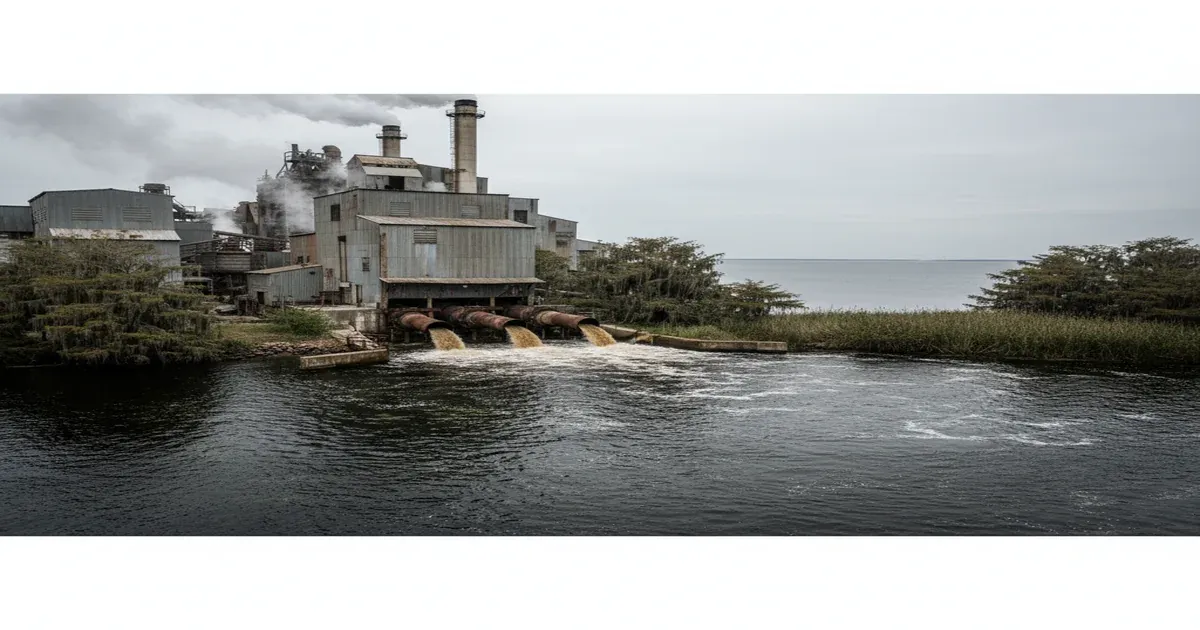
Mobile sits at the head of Mobile Bay, where the Mobile and Tensaw rivers empty into the Gulf of Mexico through the largest river delta on the Gulf Coast. The city doesn’t actually drink from these rivers — Mobile’s primary water supply comes from Big Creek Lake, a reservoir about 35 miles north of the city. But the broader water environment that defines this region shapes everything about how residents experience water quality.
Big Creek Lake: Mobile’s Lifeline
The Mobile Area Water and Sewer System (MAWSS) draws its drinking water from Big Creek Lake and supplements with groundwater wells. The reservoir system serves approximately 200,000 customers in the Mobile metro area.
Big Creek Lake is a surface water source surrounded by mostly rural land in north Mobile County. The watershed includes forested areas, some agricultural operations, and a few small communities. Compared to river-sourced systems in industrial cities, it’s a relatively protected source — but it’s not immune to contamination pressures.
The MAWSS treatment process includes conventional coagulation, sedimentation, granular media filtration, and chlorine disinfection. The utility’s annual water quality reports have consistently shown compliance with federal drinking water standards, though disinfection byproducts (trihalomethanes and haloacetic acids) are worth watching — they form when chlorine reacts with natural organic matter in the reservoir water, and levels can spike during warm months when organic loading increases.
Paper Mills: The Smell You Can Taste
Mobile’s industrial identity has been intertwined with paper manufacturing for generations. The region hosts several major pulp and paper operations, and their impact on water and air quality is impossible to miss — quite literally, if you’ve ever driven through Mobile on a humid day.
Paper mills discharge treated effluent into local waterways under EPA permits, but the volume and chemical complexity of those discharges are significant. Dioxins and furans — byproducts of the chlorine bleaching process historically used in pulp production — have been found in sediment and fish tissue in Mobile-area waterways. Modern mills have largely moved away from elemental chlorine bleaching, reducing dioxin formation, but legacy contamination persists in river and bay sediments.
The Alabama Department of Environmental Management (ADEM) has issued fish consumption advisories for certain species in Mobile River and its tributaries, citing mercury and PCBs — contaminants linked to both paper manufacturing and other industrial sources.
PFAS: Brookley Field and Military Contamination
The former Brookley Air Force Base, which operated from 1940 to 1969 and is now the Mobile Aeroplex at Brookley, is a documented source of PFAS contamination. Firefighting foam (AFFF) used during decades of military aviation operations contained PFAS compounds that seeped into soil and groundwater beneath and around the facility.
The Department of Defense has conducted preliminary assessments at Brookley, and PFAS have been detected in groundwater monitoring wells on and near the former base. The contamination plume’s extent and its interaction with Mobile’s drinking water sources are still being characterized.
MAWSS’s primary source — Big Creek Lake — is far enough from Brookley that direct PFAS migration into the reservoir is unlikely. However, some of the supplemental groundwater wells serving Mobile-area communities could be more vulnerable, particularly those drawing from shallow aquifers in the southern part of the county.
The Coast Guard Aviation Training Center in Mobile and other military-adjacent facilities add to the regional PFAS footprint. As EPA enforcement of the 2024 PFAS standards intensifies, Mobile — like many Gulf Coast cities with military heritage — faces growing pressure to test, treat, and communicate.
Hurricanes: When Nature Overwhelms Infrastructure
Mobile is one of the most hurricane-prone cities in the United States. The city averages a tropical storm or hurricane impact roughly every three years, and the effects on water quality can be severe.
Hurricane storm surge pushes saltwater and contaminated sediment into freshwater systems. Flooding overwhelms wastewater treatment plants, sending raw or partially treated sewage into streets, rivers, and ultimately Mobile Bay. Industrial facilities along the waterfront can release stored chemicals during flood events.
After major storms, boil-water advisories are common in Mobile as treatment plants work to restore normal operations and distribution system pressure. The 2020 hurricane season — which saw multiple Gulf Coast landfalls — tested Mobile’s water infrastructure repeatedly.
Climate projections suggest more intense rainfall events and potentially stronger hurricanes in the Gulf of Mexico, meaning Mobile’s water system faces an escalating challenge of resilience. MAWSS has been investing in generator backup systems and hardened infrastructure, but the fundamental vulnerability of a low-lying coastal city remains.
The Mobile-Tensaw Delta: An Ecosystem Under Pressure
The Mobile-Tensaw Delta is the second-largest river delta in the United States, spanning 260,000 acres of wetlands, swamps, and bottomland hardwood forests. It’s an ecological treasure — and it’s under stress from upstream pollution, saltwater intrusion, and development pressure.
The Alabama River and Tombigbee River systems that feed the delta drain agricultural and industrial regions across Alabama and Mississippi. Nutrients, sediment, and agricultural chemicals accumulate in the delta, affecting water quality for the communities and ecosystems that depend on it.
For Mobile, the delta serves as a natural buffer — filtering and absorbing pollutants before they reach Mobile Bay. But as the delta’s health declines, that buffer function weakens, and downstream water quality suffers.
What Mobile Residents Can Do
MAWSS water meets federal standards, and the utility’s reporting is transparent. But Mobile’s environmental context — industrial activity, military contamination, and hurricane vulnerability — warrants awareness:
- Review your water quality report — MAWSS publishes annual CCRs detailing every tested contaminant and its level.
- Have a storm plan for water — keep a supply of bottled water for hurricane season. When boil-water advisories are issued, follow them strictly.
- Test private wells — if you’re on well water in south Mobile County, especially near Brookley or industrial areas, test for PFAS and VOCs.
- Filter for peace of mind — activated carbon filters reduce disinfection byproducts; NSF P473-certified filters address PFAS.
If you’re concerned about your water quality, a certified water treatment professional can help you test your water and recommend the right solution for your home.