
The Aquifer Under the City
Spokane is one of the largest cities in the United States that relies entirely on groundwater for its drinking water supply. The Spokane Valley-Rathdrum Prairie (SVRP) Aquifer stretches from Rathdrum, Idaho across the state line into Washington’s Spokane Valley and beneath the city of Spokane itself — a vast underground reservoir of extraordinarily clean water.
The aquifer holds an estimated 10 trillion gallons and is recharged primarily by infiltration from the Spokane River, Lake Coeur d’Alene, and precipitation seeping through the highly permeable glacial outwash gravels that form the aquifer material. Water moves through the aquifer quickly — in some areas, groundwater velocity exceeds 50 feet per day — which means the aquifer both receives and distributes contaminants faster than most groundwater systems.
In 1978, the EPA designated the SVRP Aquifer as a Sole Source Aquifer — meaning it supplies more than 50% of the drinking water for the region and there is no reasonably available alternative source. This designation gives the EPA authority to review any federally funded project that could contaminate the aquifer, and it reflects the reality that if this aquifer is contaminated, roughly 500,000 people in the Spokane-Coeur d’Alene metropolitan area have no backup plan.
Why the Water Is So Good
Spokane’s tap water is regularly cited as among the best-tasting in the country, and for good reason. The SVRP Aquifer water is:
- Naturally filtered through hundreds of feet of sand and gravel
- Cold — emerging from wells at roughly 50°F year-round
- Low in minerals — soft water with minimal taste-affecting compounds
- Naturally protected from surface contamination in many areas by the depth and geology of the aquifer
The City of Spokane operates dozens of wells and treats the water with chlorination (or, in some cases, UV disinfection) to maintain a disinfectant residual in the distribution system. The treatment is minimal because the source water quality is so high.
Disinfection byproduct formation is correspondingly low — with little organic matter in the groundwater, there’s minimal reaction with chlorine to produce TTHMs and HAAs. Spokane’s DBP levels are consistently well below EPA limits.
Fairchild Air Force Base: PFAS Contamination
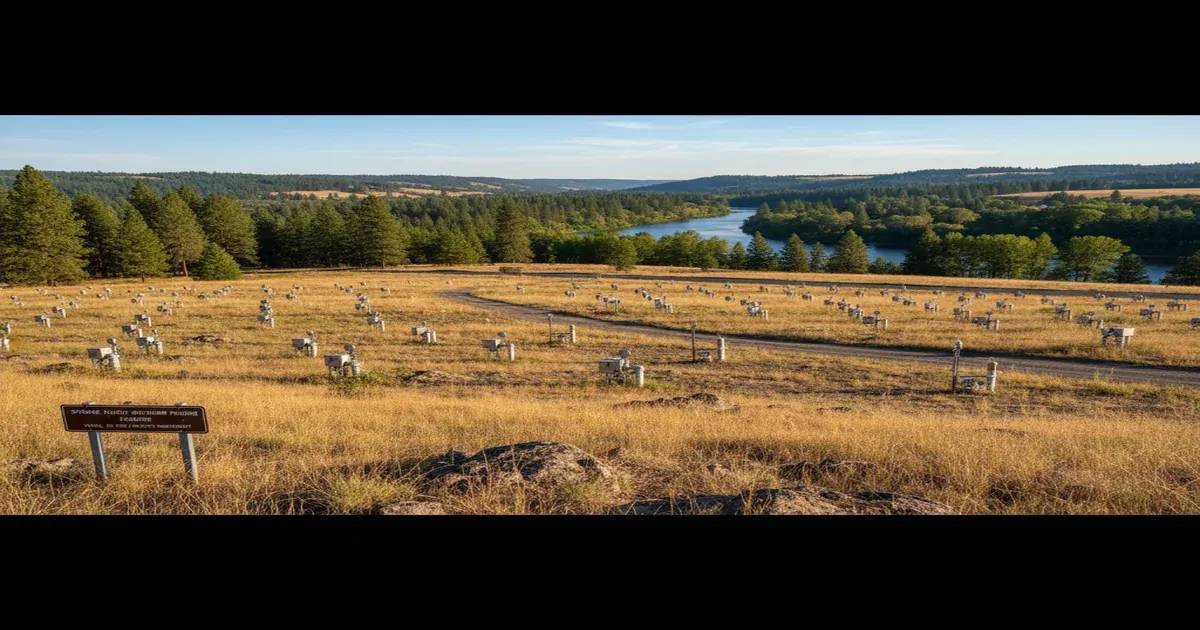
The most significant contamination threat to Spokane’s aquifer comes from Fairchild Air Force Base, located about 10 miles west of downtown. The base has used AFFF firefighting foam for decades, and PFAS contamination — part of a nationwide pattern at military bases — has been confirmed in groundwater beneath and near the installation.
The Department of Defense has been conducting a PFAS investigation at Fairchild, including installing monitoring wells and testing off-base private wells. PFAS has been detected above EPA health advisory levels in some monitoring wells, and the Air Force has provided bottled water to some affected residents.
The concern is the direction of groundwater flow. The highly permeable aquifer material means PFAS contamination can travel significant distances relatively quickly. While the contamination plume from Fairchild has not reached Spokane’s municipal wells (which are largely east and south of the base), long-term monitoring is critical.
The EPA’s 2024 PFAS rule, with MCLs of 4 ppt for PFOA and PFOS, sets a high bar that any detectable PFAS migration toward municipal wells would quickly exceed.
Urban Development Pressure
The rapid growth of the Spokane metropolitan area puts increasing pressure on the aquifer from multiple directions:
- Stormwater infiltration — in Spokane, stormwater drains directly into the ground through drywells and infiltration systems (there are over 500 drywells in the city). While this approach prevents surface water pollution, it sends whatever’s in the stormwater — road salt, motor oil, pesticides, pet waste — directly into the aquifer recharge zone.
- Septic systems — unincorporated areas of Spokane County and much of the Idaho portion of the aquifer rely on septic systems. These can contribute nitrates, bacteria, and pharmaceuticals to groundwater.
- Commercial and industrial activity — dry cleaners (solvents), gas stations (fuel), and agricultural operations all create contamination risks in the aquifer recharge area.
- Road deicing — chloride from road salt has been detected at increasing levels in some monitoring wells, a common indicator of urban groundwater impacts.
The Coeur d’Alene Mining Legacy
The SVRP Aquifer is recharged in part by water from the Coeur d’Alene basin in Idaho — an area with a massive mining contamination legacy. The Coeur d’Alene Mining District, one of the largest Superfund sites in the country in the country, contaminated the Coeur d’Alene River and Lake with heavy metals (lead, zinc, cadmium, arsenic) from over a century of silver mining.
While the aquifer’s natural filtration capacity has prevented significant metal migration into the main aquifer body, the connection between Lake Coeur d’Alene (which contains contaminated sediments) and the aquifer recharge system is a long-term monitoring concern.
What About Lead?
Spokane’s water leaves the wells essentially lead-free. As with other cities, lead in tap water comes from building plumbing — particularly lead solder used in copper pipes before 1986 and, less commonly, lead service lines.
Spokane’s housing stock is relatively modern compared to East Coast cities, and the prevalence of lead service lines is lower. However, homes built between 1950 and 1986 may have lead solder, and the soft, slightly acidic character of the aquifer water can be more corrosive to lead-containing plumbing than harder water — making corrosion control treatment important.
What Residents Can Do
- If you’re on City of Spokane water, enjoy some of the best tap water in the country — but review the annual Consumer Confidence Report for current data
- Protect the aquifer — be mindful of what goes into storm drains and drywells. In Spokane, storm drains go to the aquifer, not a treatment plant
- If you’re on a private well in Spokane County or Kootenai County, test annually for bacteria, nitrates, and consider PFAS testing if you’re near Fairchild AFB
- Consider a water filter if you want additional protection — though Spokane’s water quality is generally excellent, an activated carbon filter can remove chlorine taste and provide additional security
- For homes built before 1986, flush the tap before drinking after periods of stagnation to clear any lead that may have leached from solder joints
If you’re concerned about your water quality, a certified water treatment professional can test your water and advise on any filtration or treatment that might benefit your specific situation.
Sources
- City of Spokane Water Department, Annual Water Quality Reports
- EPA, Sole Source Aquifer Designation — Spokane Valley-Rathdrum Prairie Aquifer
- Spokane County, Aquifer Protection Program
- U.S. Air Force, Fairchild AFB PFAS Investigation
- USGS, Spokane Valley-Rathdrum Prairie Aquifer Studies
- Idaho Department of Environmental Quality, SVRP Aquifer Monitoring