
America’s Water Reuse Pioneer
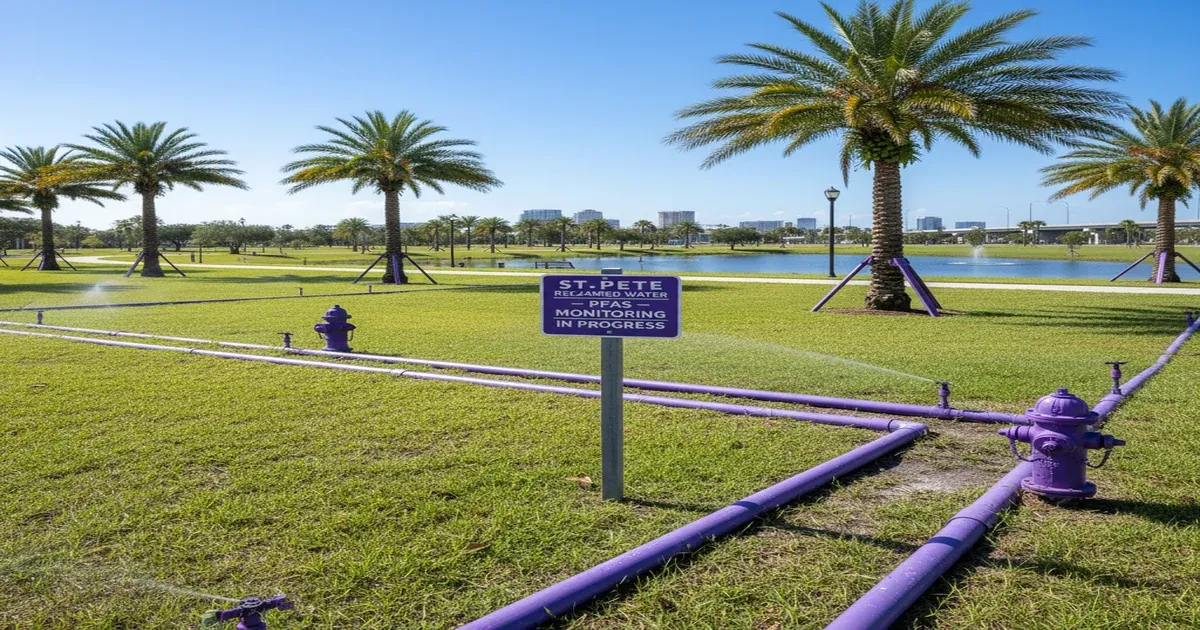
St. Petersburg has one of the oldest and most extensive water reclamation systems in the United States. Since the 1970s, the city has been treating wastewater to a high standard and distributing it as “reclaimed water” for irrigation, cooling, and other non-potable uses — keeping billions of gallons of treated wastewater out of Tampa Bay and reducing demand on drinking water supplies.
The city’s drinking water comes from a different source entirely. St. Petersburg’s potable supply is primarily surface water purchased from Tampa Bay Water, the regional wholesale utility that serves approximately 2.5 million people across Hillsborough, Pasco, and Pinellas counties. Tampa Bay Water draws from a mix of surface water (the Hillsborough River, Alafia River, and Tampa Bypass Canal), groundwater, and a seawater desalination plant.
This regional system provides resilience — but it also means St. Petersburg’s water quality depends on conditions and decisions made across a wide geographic area.
PFAS in Reclaimed Water: The New Concern
St. Petersburg’s reclaimed water system has come under new scrutiny as PFAS awareness has grown. Conventional wastewater treatment doesn’t remove PFAS — in fact, treatment processes can concentrate certain PFAS compounds. That means reclaimed water distributed for irrigation contains whatever PFAS entered the wastewater system from households, businesses, and industrial sources.
When PFAS-containing reclaimed water is sprayed on lawns, parks, and golf courses, the chemicals can percolate into the soil and eventually reach the shallow aquifer — the same aquifer that some nearby communities and private wells tap for drinking water.
Florida has been studying the issue. In 2023, the state funded research into PFAS levels in reclaimed water and biosolids (treated sewage sludge used as fertilizer). Results showed detectable PFAS across Florida’s reclaimed water systems, raising questions about whether the state’s aggressive water reuse strategy needs to be reconsidered — or whether PFAS treatment should be added to the reclamation process.
For St. Petersburg specifically, the concern isn’t that reclaimed water is delivered to homes as drinking water (it’s not — the purple-pipe system is separate). The concern is the cumulative environmental loading of PFAS through decades of reclaimed water irrigation.
Drinking Water Quality
St. Petersburg’s potable water generally meets all EPA standards. Tampa Bay Water’s treatment facilities produce water that’s been through full conventional treatment, and the regional system benefits from source diversity.
Key parameters:
- Lead and copper: St. Petersburg’s distribution system has older infrastructure, and some lead service connections remain. The city uses corrosion control treatment and has met the EPA’s action level in 90th percentile testing. But Pinellas County’s housing stock includes many homes built in the 1950s-1970s with copper pipes joined by lead solder.
- Disinfection byproducts: Managed within EPA limits, though Florida’s warm climate and the organic content of surface water sources can push DBP levels higher during summer months.
- Taste and aesthetics: Some residents notice occasional taste changes when Tampa Bay Water shifts between sources (surface water vs. desalination vs. groundwater), as each source has a different mineral profile.
Saltwater Intrusion
Pinellas County — the peninsula between Tampa Bay and the Gulf of Mexico — faces saltwater intrusion pressure on its shallow aquifer. Decades of groundwater pumping drew down water levels and allowed saltwater to migrate inland — a challenge shared with Miami and coastal communities across Florida. This is part of why the region shifted to the Tampa Bay Water regional surface water system in the first place.
Remaining groundwater wells in the area must be carefully managed, and private wells on the barrier islands and coastal areas of Pinellas County are particularly vulnerable to saltwater contamination. Sea level rise — projected at 1-3+ feet by 2060 for the Tampa Bay area — will intensify this pressure.
The Piney Point Connection
In 2021, the Piney Point phosphogypsum stack in neighboring Manatee County experienced a catastrophic breach, releasing hundreds of millions of gallons of contaminated water into Tampa Bay. The wastewater contained elevated levels of nitrogen, phosphorus, and radioactive material — legacy waste from Florida’s phosphate mining industry.
While the discharge primarily affected Tampa Bay’s marine ecosystem, it raised broader questions about water quality in the region and the vulnerability of drinking water sources to industrial contamination. Tampa Bay Water’s surface water intakes were not directly affected, but the event highlighted the interconnection between industrial waste management and regional water security.
Aging Infrastructure
St. Petersburg’s water distribution system includes pipes dating back to the mid-20th century. The city has been investing in infrastructure replacement, but like many Florida cities experiencing rapid growth, the system faces pressure from both aging components and expanding demand.
Water main breaks, while not unusually frequent, can cause boil water advisories and temporary service disruptions. The city’s capital improvement plan includes ongoing pipe replacement and system upgrades.
What Residents Can Do
- Know the difference between your water systems — drinking water (potable) comes through the regular pipes; reclaimed water (purple pipes) is for irrigation only. Never drink, cook with, or fill pools from purple pipes
- If you have older plumbing, flush the tap for 30 seconds to 2 minutes before drinking, especially in homes built before 1986
- Consider a certified water filter — activated carbon for taste and DBPs, NSF/ANSI 53 for lead, NSF P473 for PFAS
- If you’re on a private well in Pinellas County, test annually for chloride (saltwater intrusion), bacteria, and nitrates. Consider PFAS testing if you’re near areas irrigated heavily with reclaimed water
- Stay informed about Tampa Bay Water’s source decisions and water quality reports — changes in source blend can affect taste and chemistry
If you’re concerned about your water quality, a certified water treatment professional can test your water and recommend solutions appropriate for the Tampa Bay region’s specific conditions.
Sources
- City of St. Petersburg, Water Resources Department, Annual Reports
- Tampa Bay Water, Annual Water Quality Reports
- Florida Department of Environmental Protection, Reclaimed Water and PFAS Studies
- EPA SDWIS, St. Petersburg water system compliance records
- USGS, Saltwater Intrusion Studies in Pinellas County
- Tampa Bay Estuary Program, Piney Point Response Documentation