The Delaware River: Trenton’s Source
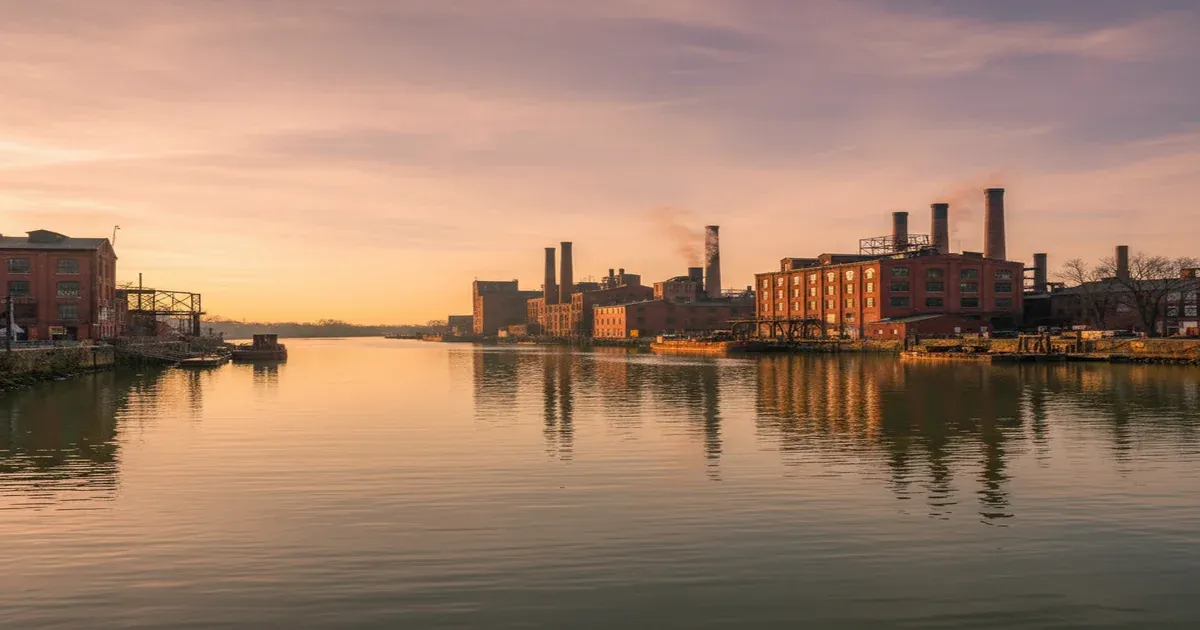
Trenton Water Works (TWW) is one of the oldest public water utilities — rivaling Philadelphia — in the United States, serving approximately 220,000 people in Trenton and surrounding Mercer County communities. The system draws from the Delaware River, treating water at a facility on Route 29 along the riverbank.
The Delaware River has a remarkable recovery story. In the mid-20th century, the river was so polluted through the Philadelphia-Trenton corridor that it was essentially devoid of aquatic life in stretches. Decades of Clean Water Act enforcement, wastewater treatment upgrades, and industrial cleanup have brought dramatic improvement — fish have returned, and the river now supports recreation along much of its length.
But legacy contamination persists in sediments, and current-day discharges from upstream sources continue to affect water quality at Trenton’s intake.
Industrial Contamination: Trenton’s Legacy
Trenton was once a major industrial center — the famous “Trenton Makes, The World Takes” sign on the Lower Trenton Bridge reflects a manufacturing heritage that included steel, ceramics, rubber, and wire rope production. That industrial base left contamination:
- Multiple Superfund sites in the Trenton area involve groundwater and soil contamination from industrial operations, including solvents, heavy metals, and petroleum products
- The Roebling Steel complex — where wire rope for the Brooklyn Bridge was manufactured — is one of the largest contaminated industrial sites in the region
- Upstream industrial discharges — while significantly reduced, the Delaware River still receives treated wastewater from numerous facilities between its headwaters and Trenton
TWW’s treatment plant is designed to handle the contaminant load in the Delaware River. The conventional treatment process (coagulation, sedimentation, filtration, disinfection) combined with activated carbon and other treatment steps produces water that meets EPA standards.
Lead: Trenton’s Most Immediate Risk
Lead contamination is Trenton’s most pressing drinking water concern. The city’s housing stock is among the oldest in New Jersey — large portions of the city were built before 1930 — and lead service lines, lead solder, and lead plumbing fixtures are common.
Trenton has a troubled history with lead in water. In 2019, TWW testing revealed lead levels above the EPA’s action level of 15 ppb at the 90th percentile — triggering enhanced monitoring, public notification, and corrosion control optimization requirements.
The elevated lead results drew attention to systemic issues:
- Corrosion control — TWW was required to optimize its corrosion control treatment to reduce lead leaching from service lines and household plumbing
- Lead service line inventory — the utility has been identifying the location and extent of lead service lines throughout the distribution system
- Environmental justice — Trenton’s population is predominantly lower-income and people of color, and the lead exposure from water compounds existing lead exposure from paint in aging housing
New Jersey has been among the most aggressive states on lead in water. The state adopted a lead action level of 10 ppb — stricter than the federal 15 ppb — and mandated lead testing in schools and childcare facilities. Legislation has also directed funding toward lead service line replacement in cities like Trenton and Newark.
Disinfection Byproducts
The Delaware River’s organic matter content — from upstream agriculture, forest runoff, and wastewater discharges — creates disinfection byproduct formation potential. TWW manages DBP levels through treatment optimization, and chloramine is used for secondary disinfection to reduce DBP formation compared to free chlorine.
Compliance with EPA limits for TTHMs and HAA5 requires ongoing attention, particularly during seasonal variations in river water quality.
PFAS: Upstream Sources
PFAS contamination in the Delaware River basin has been documented at multiple locations upstream of Trenton. Sources include military installations, industrial facilities, wastewater treatment plants, and landfills throughout the watershed.
The Delaware River Basin Commission has been coordinating PFAS monitoring across the multi-state watershed (New York, New Jersey, Pennsylvania, Delaware). Testing has shown detectable PFAS at various river monitoring points.
New Jersey adopted some of the nation’s strictest PFAS drinking water standards — Maximum Contaminant Levels of 13 ppt for PFOA, 13 ppt for PFOS, and 13 ppt for PFNA (perfluorononanoic acid, linked to a specific industrial facility in the state). These standards are more protective than the EPA’s 2024 federal MCLs for some compounds.
TWW monitors for PFAS compounds and is required to comply with both New Jersey’s standards and the new federal requirements.
Environmental Justice
Trenton’s water quality challenges exemplify environmental justice concerns. The city:
- Has a median household income roughly half the New Jersey state average
- Has a predominantly Black and Latino population
- Bears the health burden of industrial contamination legacy
- Has aging infrastructure that’s expensive to replace
- Faces lead exposure from both water and paint in old housing
Federal and state funding for lead service line replacement, infrastructure upgrades, and environmental cleanup has been directed to Trenton, but the scale of investment needed far exceeds current funding levels.
What Residents Can Do
- Flush your tap for 2+ minutes before drinking or cooking, especially in the morning or after extended absence — this is critical in Trenton given the lead service line prevalence
- Use cold water for cooking and baby formula — hot water absorbs more lead from pipes
- Request a lead test from TWW — know your exposure level
- Consider a certified water filter — NSF/ANSI 53 for lead reduction is the most important certification for Trenton residents. Also consider NSF P473 for PFAS
- If you have children, make sure they’re tested for lead — both water and paint exposure contribute to elevated blood lead levels in Trenton
- Stay informed about TWW’s lead service line replacement program and corrosion control optimization
If you’re concerned about your water quality, a certified water treatment professional can test your water and recommend filtration solutions appropriate for Trenton’s specific lead and contamination challenges.
Sources
- Trenton Water Works, Annual Water Quality Reports
- New Jersey Department of Environmental Protection, Drinking Water and Lead Programs
- EPA SDWIS, TWW compliance records
- Delaware River Basin Commission, Water Quality Monitoring
- Environmental Working Group, Tap Water Database
- New Jersey Department of Health, Lead Exposure Data