
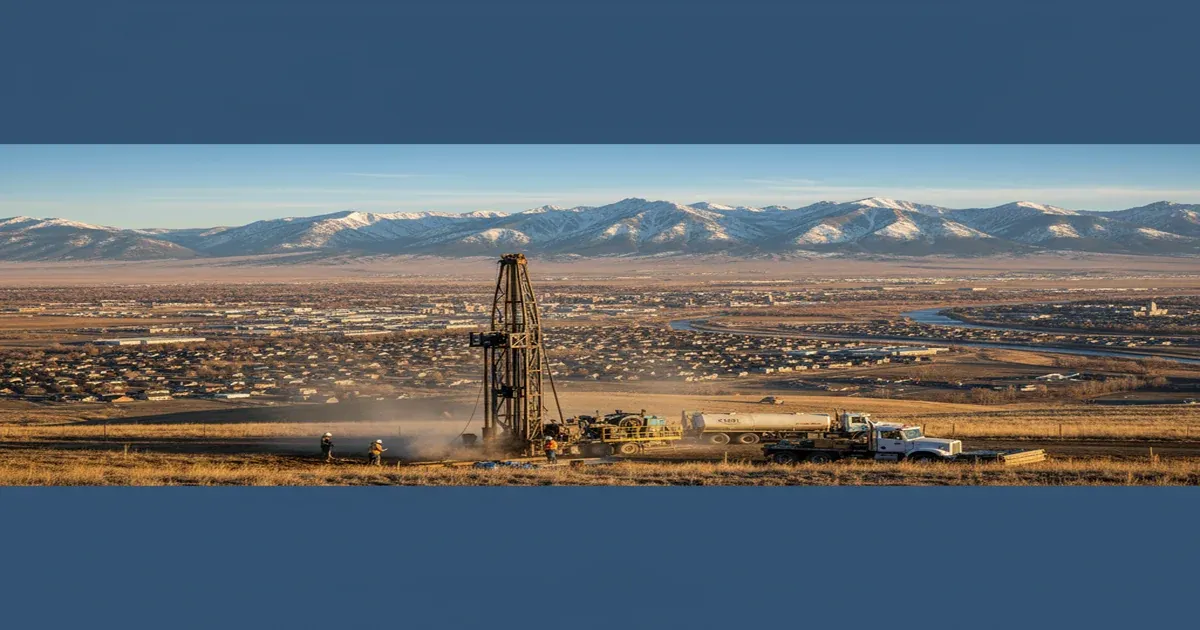
Logan, located in northern Utah’s Cache Valley, depends heavily on groundwater from wells to support residential, agricultural, and commercial needs. With its unique geology and strong ties between groundwater and surface water, Logan presents both opportunities and challenges for those considering new well installations or maintaining existing ones.
Local Geology & Aquifers
The Cache Valley aquifer system is formed by unconsolidated basin-fill deposits of sand, gravel, and clay. These layers provide the main water-bearing zones for domestic and irrigation wells. Recharge occurs along the valley margins, where rivers and snowmelt percolate through sediments, feeding underground reserves. Because of the close connection between groundwater and surface water, Logan’s aquifers are sensitive to seasonal variations and pumping demands.
Climate & Water Supply
The Logan River and snowmelt from the Bear River Mountains play a critical role in recharging local aquifers. During wet years, groundwater levels remain stable, but drought cycles can reduce recharge, leading to lower well yields. Proper planning and professional well construction help ensure consistent water availability despite these fluctuations.
Well Types & Construction
The most common well types in Logan include:
- Domestic Wells – Supplying households with safe drinking water.
- Agricultural Wells – Supporting the valley’s strong farming economy.
- Monitoring Wells – Used by agencies and researchers to track groundwater levels and quality.
Drilling techniques typically involve rotary or cable-tool methods, with screened intervals in sand and gravel layers. Proper casing and sealing are essential in Logan to prevent contamination and protect aquifers from surface pollutants.
Regulations & Permits
In Utah, water well drilling and use are regulated by the Utah Division of Water Rights. Key requirements include:
- Securing a valid water right before construction.
- Hiring a licensed driller who follows state well-construction standards.
- Filing well logs and ensuring casing, sealing, and sanitary protection are up to code.
For peace of mind and compliance, many property owners work with a local Logan Utah licensed well driller for groundwater system projects.
Water Quality & Safety
While Logan’s groundwater is generally high quality, contamination risks exist, particularly from agricultural runoff and septic systems. To protect water quality:
- Test well water annually for bacteria, nitrates, and other contaminants.
- Ensure proper wellhead protection (casing extension, sanitary seal, and surface drainage).
- Avoid siting wells too close to potential pollution sources.
Maintenance & Operations
Routine maintenance helps extend the life and efficiency of a well:
- Annual pump inspections.
- Water-level checks.
- Cleaning or redevelopment of well screens if sand or sediment becomes an issue.
Hiring a professional service provider ensures these tasks are done correctly and in compliance with Utah standards.
Local Challenges
Logan faces some of the same challenges as other fast-growing communities:
- Increased demand on aquifers due to population growth.
- Drought cycles reducing recharge and impacting groundwater availability.
- Protecting groundwater quality in a valley with significant agricultural activity.
Outlook for Water Wells in Preston
As Logan continues to grow, groundwater will remain a vital resource. Ongoing monitoring, responsible drilling, and proper maintenance will be essential to secure a sustainable water supply for future generations. Working with experienced local professionals ensures wells are built to last and provide reliable water access year-round.