The Discovery That Changed Everything
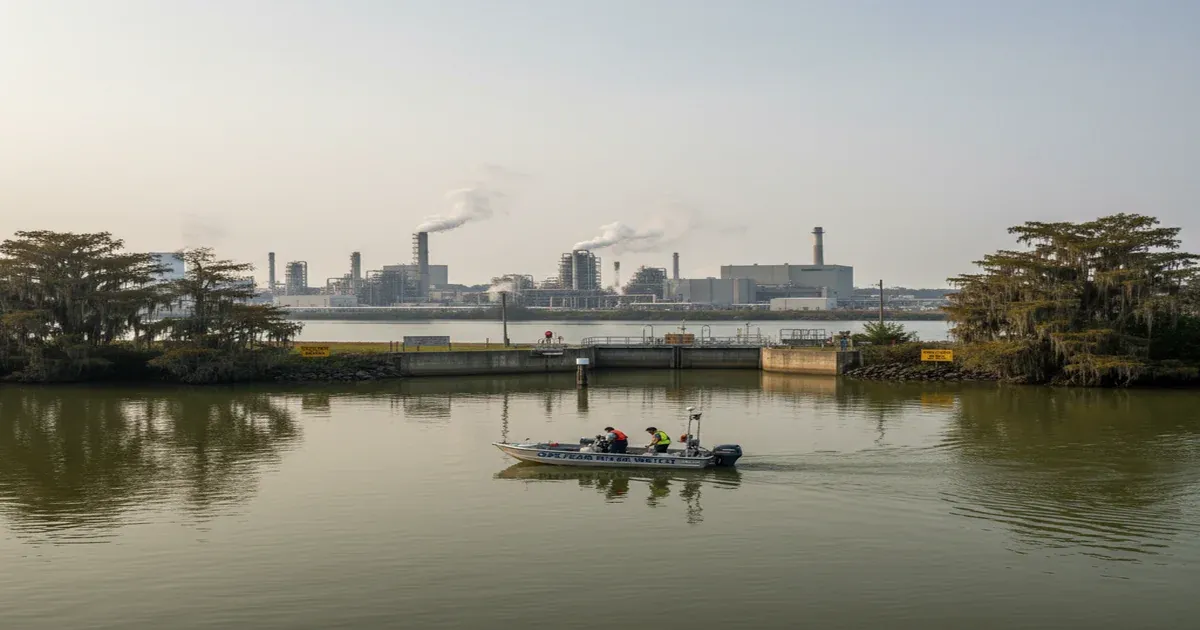
In June 2017, a research team from NC State University made a discovery that would transform how Americans think about drinking water contamination: the Cape Fear River — the drinking water source for Wilmington and hundreds of thousands of North Carolinians — contained a chemical called GenX at levels far above anything previously known.
GenX (hexafluoropropylene oxide dimer acid, or HFPO-DA) is a replacement for PFOA — one of the “forever chemicals” phased out by DuPont under pressure from the EPA. Chemours, the chemical company spun off from DuPont, had been discharging GenX from its Fayetteville Works plant into the Cape Fear River for years. The company had EPA approval to manufacture GenX but had not disclosed the extent of discharges into waterways that served as drinking water sources.
Wilmington’s Cape Fear Public Utility Authority (CFPUA) serves approximately 200,000 customers. When testing confirmed GenX in the finished drinking water at concentrations ranging from 600 to over 800 parts per trillion, the community was outraged — they’d been drinking this chemical without knowledge or consent.
What Is GenX and Why Does It Matter?
GenX was supposed to be the safer alternative to PFOA. Chemours and its predecessor DuPont promoted it as a short-chain PFAS compound that would break down faster in the environment and pose fewer health risks.
The reality has been more complicated:
- GenX is persistent. While it may be somewhat less bioaccumulative than PFOA, it’s still extraordinarily resistant to environmental degradation — it doesn’t break down naturally in water or soil.
- Toxicology studies in animals have shown liver damage, kidney effects, developmental toxicity, and tumor formation at doses that raised concerns about the levels found in Wilmington’s water.
- North Carolina set a health goal of 140 ppt for GenX in drinking water in 2017 — at the time, one of the few regulatory actions anywhere in the world specifically targeting GenX.
- The EPA’s 2024 PFAS rule included a Maximum Contaminant Level for HFPO-DA (GenX) at 10 ppt — dramatically lower than what was found in Wilmington’s water at discovery.
The Contamination Was Decades Old
Investigation revealed that the Fayetteville Works plant had been releasing PFAS compounds into the Cape Fear River and into the air (which deposited onto surrounding land and water) since the 1980s. Residents near the plant had been drinking contaminated well water for decades without knowing it.
The contamination wasn’t limited to GenX. Testing identified dozens of PFAS compounds in the Cape Fear — many of which had no names, no CAS numbers, and no health standards. The river had become a cocktail of novel fluorinated chemicals that the regulatory system was never designed to detect or control.
Chemours entered a consent order with the North Carolina Department of Environmental Quality (DEQ) in 2019, agreeing to reduce PFAS discharges by 99% and take measures to address air emissions and groundwater contamination near the plant. The company has also faced multiple lawsuits from communities, utilities, and the state.
What’s Changed Since 2017
The Wilmington GenX crisis catalyzed action at multiple levels:
Treatment upgrades: CFPUA installed granular activated carbon (GAC) treatment at its Sweeney Water Treatment Plant — one of the first large municipal systems in the country to add GAC specifically for PFAS removal. The system has significantly reduced GenX and other PFAS in finished water, though removal is not complete for all compounds.
State regulation: North Carolina established the PFAS Testing Network, conducting the most comprehensive statewide PFAS monitoring program in the country. The state has tested hundreds of water systems and identified contamination at multiple sites beyond the Cape Fear.
Federal action: The Wilmington case was instrumental in building political momentum for the EPA’s 2024 PFAS rule. Congressional representatives from North Carolina — the state already reeling from Camp Lejeune’s water contamination legacy — were among the strongest advocates for federal PFAS regulation.
Scientific research: The Cape Fear watershed has become one of the most studied PFAS-contaminated sites in the world. Researchers at NC State, UNC, and Duke have published dozens of studies on PFAS transport, treatment, and health effects using Cape Fear data.
Private Wells: The Overlooked Crisis
While CFPUA customers now benefit from GAC treatment, thousands of residents near the Fayetteville Works plant rely on private wells that draw from PFAS-contaminated groundwater. These wells have no treatment systems and aren’t regulated under the Safe Drinking Water Act.
Testing has found PFAS concentrations in some private wells exceeding 10,000 ppt — orders of magnitude above any health standard. Chemours has been providing bottled water and connecting some affected residents to municipal water as part of the consent order, but the process has been slow and contentious.
The private well contamination extends across Bladen, Cumberland, and Robeson counties — a region that is predominantly rural, lower-income, and disproportionately communities of color. Environmental justice advocates have highlighted the inequity: residents who had no role in creating the contamination bear the heaviest burden.
Current Water Quality
CFPUA’s treated water now shows significantly reduced PFAS levels thanks to the GAC treatment system. However:
- GAC is not 100% effective for all PFAS compounds — some shorter-chain and novel PFAS break through the carbon more quickly
- Treatment creates its own waste stream — spent GAC must be disposed of or regenerated, and the PFAS doesn’t disappear
- New compounds continue to be identified — the Cape Fear watershed contains PFAS compounds that are still being characterized by researchers
- The EPA’s 2024 MCLs set strict limits that will require ongoing treatment optimization
What Residents Can Do
- If you’re on CFPUA water, your utility is actively treating for PFAS — review the latest water quality reports for current levels
- If you’re on a private well near the Fayetteville Works plant or in the Cape Fear watershed, get your water tested for PFAS. Contact the NC DEQ PFAS Testing Network for guidance
- Consider a certified water filter — NSF P473-certified filters (including some reverse osmosis and activated carbon systems) can reduce PFAS. This is especially important for private well users
- Stay informed about the Chemours consent order and cleanup progress through NC DEQ
- If you’re pregnant or have young children, be especially cautious about PFAS exposure — developmental effects are among the most documented health concerns
If you’re concerned about your water quality, a certified water treatment professional can test your water and advise on PFAS treatment solutions appropriate for your specific situation.
Sources
- Cape Fear Public Utility Authority, Water Quality Reports
- North Carolina Department of Environmental Quality, GenX Investigation and PFAS Testing Network
- EPA, PFAS National Primary Drinking Water Regulation (2024)
- NC State University, PFAS Research in the Cape Fear Watershed
- Chemours Fayetteville Works Consent Order, NC DEQ
- Environmental Working Group, PFAS Contamination Map